Summary:
Chhattisgarh has requested Central Government approval for 2,305 new mobile towers under the Digital Bharat Nidhi (DBN) programme to improve connectivity in remote and tribal regions. The proposed infrastructure aims to expand access to digital services such as e-governance, online banking, telemedicine, and education. Chief Minister Vishnu Deo Sai presented the proposal during a meeting with Union Communications Minister Jyotiraditya Scindia and also welcomed the approval of 577 additional towers for Left Wing Extremism-affected areas, highlighting the vital role of telecom infrastructure in driving development and improving access to essential services in underserved communities.
Chhattisgarh has sought the Central Government’s approval to install 2,305 additional mobile towers under the Digital Bharat Nidhi (DBN) programme. Previously known as the Universal Service Obligation Fund (USOF), DBN is financed through contributions made by telecom operators as part of their licence fee payments. Notably, the portion allocated towards DBN is higher than the actual licence fee paid by telecom companies.
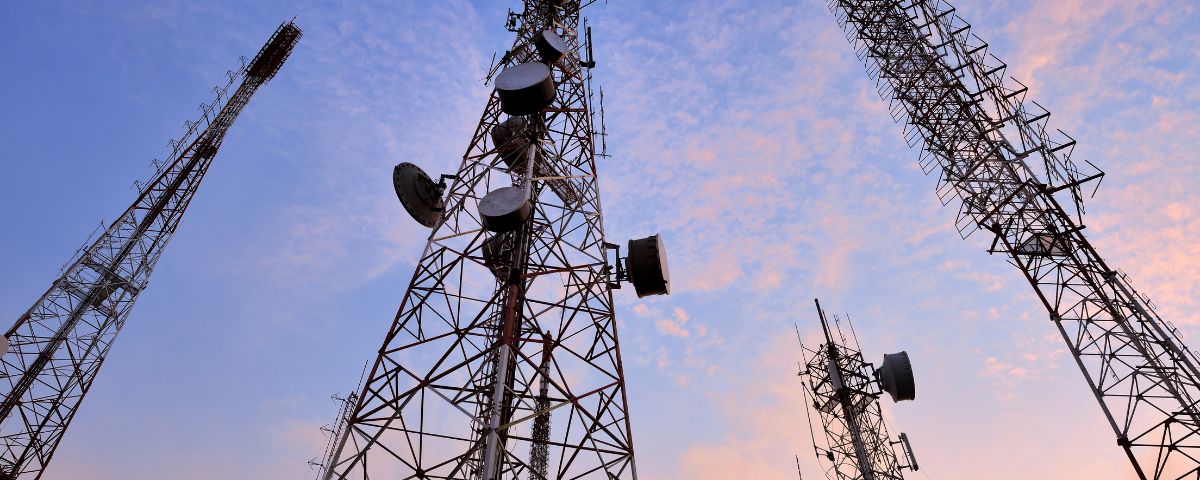
The proposed towers are planned for remote and tribal regions of Chhattisgarh where mobile connectivity remains limited or unavailable. Once deployed, the new infrastructure is expected to improve access to digital services such as e-governance, online banking, telemedicine, and digital education.
The proposal was presented by Chhattisgarh Chief Minister Vishnu Deo Sai during a recent meeting with Union Communications Minister Jyotiraditya Scindia at Sanchar Bhawan in New Delhi. During the meeting, Sai also expressed appreciation to the Central Government for approving an additional 577 mobile towers for Left Wing Extremism (LWE)-affected and other underserved areas of the state.
Emphasising the importance of digital connectivity, Sai said that expanding telecom infrastructure goes beyond improving network coverage, as it enables people in remote tribal and border villages to access essential public services, financial systems, education, and healthcare.
Being a native of the predominantly rural and tribal Jashpur district, the Chief Minister highlighted his understanding of the challenges caused by inadequate mobile connectivity and its impact on the overall development of local communities.