Summary:
Bangladesh’s telecom sector is facing the risk of a nationwide shutdown due to a severe fuel shortage linked to disruptions in West Asia, with industry leaders warning that operations are becoming unsustainable without urgent government support. Heavy reliance on imported energy and diesel-powered systems, combined with supply chain disruptions through key routes like the Strait of Hormuz, has strained infrastructure and led to widespread shortages. As data centres consume large amounts of diesel to maintain services during frequent power cuts, authorities caution that failure to stabilize fuel supplies could result in a complete digital blackout, halting communication and essential services across the country.
Bangladesh’s mobile telecom sector is reportedly at risk of a widespread shutdown as a deepening fuel shortage—linked to conflict in West Asia—continues to put pressure on the nation’s energy-reliant infrastructure. Industry representatives have cautioned that maintaining uninterrupted services is becoming increasingly unviable without swift government intervention. With data centres operating on limited diesel supplies and the Strait of Hormuz disrupted, the Association of Mobile Telecom Operators of Bangladesh (AMTOB) has warned of a possible complete digital outage, according to a WIONews report dated April 20, 2026.
Telecom Sector Signals Imminent System Breakdown
On Monday, AMTOB warned that the industry could face a systemic collapse if fuel availability is not restored promptly. The group emphasized that ongoing operations are “no longer sustainable” without immediate action from the government, as cited in the report.
Bangladesh, with a population of around 170 million, depends on imports for nearly 95 percent of its oil and gas, largely sourced from the Middle East. Disruptions in key maritime routes, including the Strait of Hormuz, have severely affected supply chains, resulting in sharp domestic shortages. The impact is evident across the country, with extended queues at fuel stations and wait times reaching up to 12 hours. To cope with shrinking reserves, authorities recently increased diesel prices by 15 percent.
Diesel Reliance Puts Digital Systems at Risk
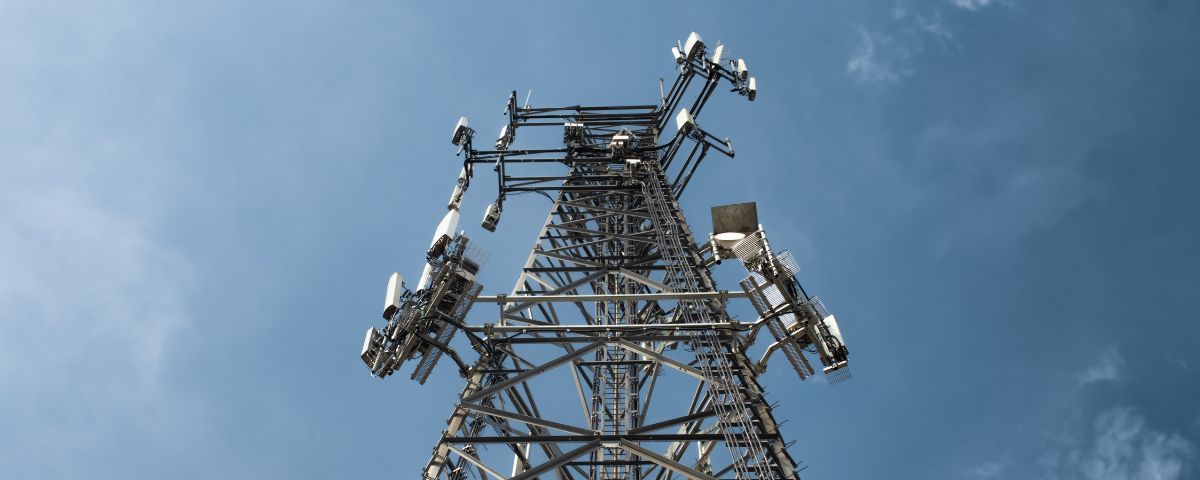
The energy shortage has now moved beyond transportation and industry, posing a direct threat to Bangladesh’s digital infrastructure. Telecom providers depend heavily on diesel-powered generators to run data centres and mobile base transceiver stations (BTS) during frequent power cuts, which currently last between five and eight hours daily in several areas.
AMTOB estimates that data centres alone require roughly 500 to 600 litres of diesel per hour to sustain continuous network operations. “The data center is the brain of the operator. If it goes down, the entire network goes down,” the association stated, according to the report.
Potential for Nationwide Digital Disruption
“A partial or total shutdown of telecom networks would halt calls, internet access, SMS, and banking services,” said Mohammad Zulfikar, Secretary-General of AMTOB, in remarks to AFP.