Summary:
India’s television industry is witnessing a gradual shift toward internet-based viewing as consumers increasingly use smart TVs and connected devices instead of traditional cable and DTH services. This transition has prompted TRAI to explore whether FAST TV and other internet-delivered linear television platforms should be regulated under a separate framework. FAST TV offers free, advertisement-supported live channels over the internet, creating concerns among cable and DTH operators about unequal competition due to lighter regulations. Meanwhile, technology and streaming companies argue that these services function differently from conventional broadcasting systems. The debate highlights the changing nature of television consumption in India and could significantly shape the future regulatory structure of internet-based TV services.
India’s television sector is gradually undergoing a transformation as audiences increasingly shift toward internet-enabled devices and smart TVs for content consumption instead of depending solely on conventional cable and DTH services. This transition has sparked a broader regulatory conversation after the Telecom Regulatory Authority of India (TRAI) issued a consultation paper inviting feedback on whether internet-based linear television services, including FAST platforms, should come under a dedicated regulatory structure.
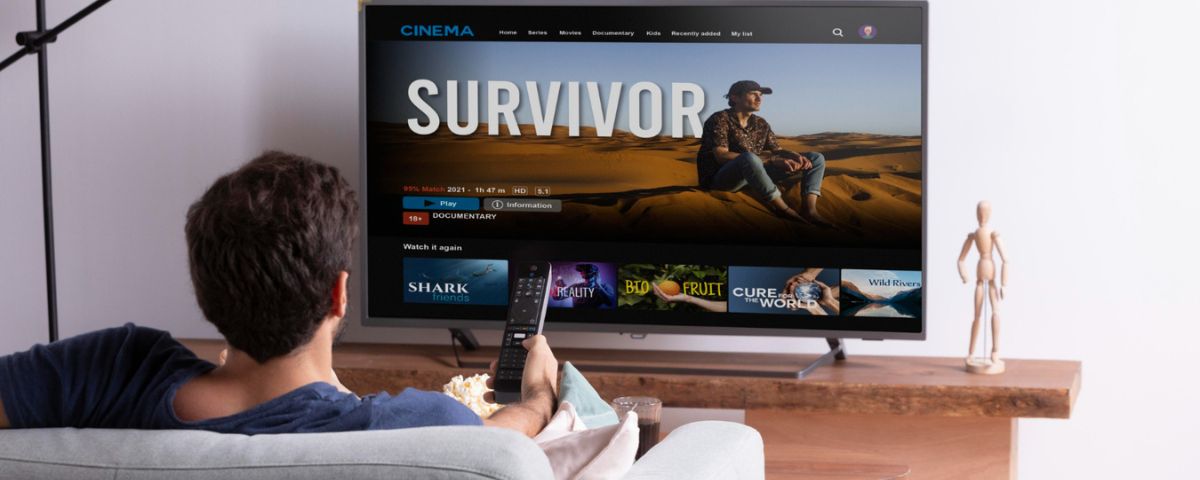
FAST TV, or Free Ad-Supported Streaming Television, enables viewers to watch scheduled television channels online at no subscription cost, with advertisements supporting the service. Many smart TVs already provide direct access to such channels through built-in interfaces, eliminating the need for separate cable or DTH connections. The issue has gained significance because traditional broadcasting operators believe these internet-delivered TV services are increasingly competing with regulated television platforms while operating under comparatively relaxed regulations.
At the same time, technology firms and streaming industry participants argue that internet-based television operates differently from conventional broadcasting models. As broadband penetration and smart TV adoption continue to expand across India, the discussion surrounding FAST TV is becoming part of a larger debate about the future direction of television distribution.
What Is FAST TV?
FAST refers to Free Ad-Supported Streaming Television, a model where television channels are distributed online through applications, connected devices, and smart TVs without charging subscription fees.
Unlike on-demand streaming services where viewers select specific movies or programs, FAST platforms offer continuously running linear channels similar to traditional television broadcasting. Users can simply switch between channels streaming entertainment, films, music, lifestyle content, news, and other programming categories.
Globally, many streaming platforms and smart TV ecosystems already provide FAST-based services. In India, growing connected TV usage is also driving interest in app-based linear television delivery.
In its consultation paper, TRAI has broadly classified these offerings as Application-based Linear Television Distribution (ALTD) Services. According to the regulator, such services distribute linear television content to users through apps available across smart TVs, mobile phones, websites, and other internet-connected platforms.
Why TRAI Is Considering Regulation
TRAI recently introduced a consultation paper focused on establishing a regulatory framework for ALTD services, including FAST platforms. The regulator is studying whether evolving internet-driven television models require a separate policy structure.
One key reason behind the discussion is that FAST services increasingly resemble traditional TV experiences by offering scheduled channels through internet-enabled devices. Consumers can now access both conventional broadcast channels and internet-delivered channels from the same smart TV interface.
The consultation also examines multiple aspects such as service definitions, licensing or authorisation requirements, consumer safeguards, content accountability, and the overall structure of the emerging internet-based television ecosystem.
Concerns Raised by Cable and DTH Operators
India’s cable television and DTH sectors currently operate under an established regulatory system involving licensing norms, tariff regulations, interconnection rules, and compliance obligations.
Stakeholders from the conventional broadcasting industry argue that FAST platforms and app-driven television services are creating an uneven competitive environment for regulated distribution operators.
Their position is that services offering similar television viewing experiences should ideally function under comparable regulatory standards. Industry bodies have also expressed concerns that certain internet-based platforms may be carrying television channels without adhering to the traditional regulatory framework applicable to licensed operators.
The increasing popularity of connected TVs and online television viewing is steadily reshaping the competitive dynamics of the television industry.
Why Some Stakeholders Oppose Traditional Regulation
Technology companies, streaming service providers, and smart TV ecosystem players have opposed the idea of imposing conventional broadcasting regulations on internet-based television services.
They argue that FAST platforms operate through the open internet and differ significantly from satellite or cable distribution networks. According to some stakeholders, introducing strict licensing and compliance requirements could hinder innovation in a segment that is still developing.
Several industry participants have also maintained that smart TV manufacturers and operating system providers primarily function as technology enablers rather than traditional television distributors.
Why the Debate Is Important
The FAST TV discussion reflects the larger changes currently taking place within India’s television landscape. Viewership is increasingly shifting beyond conventional cable and satellite systems as broadband access, connected TVs, and app-based content delivery continue to grow rapidly.
For viewers, FAST platforms provide an alternative method of accessing television channels through internet-connected devices without extra subscription charges. For the industry, however, the rise of app-based television services raises major questions related to competition, regulatory balance, and the future structure of television distribution in India.
The final outcome of TRAI’s consultation process may significantly influence how internet-based television services develop over the coming years. As consumer viewing habits evolve further, the distinction between traditional television and internet-delivered TV continues to become less defined.