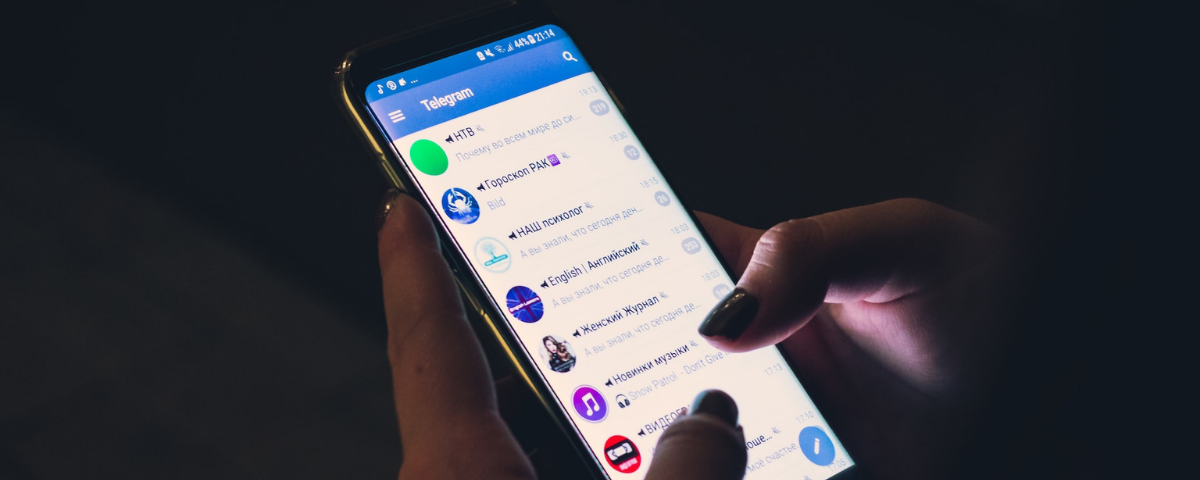
Telecom and technology stakeholders have voiced their views regarding the Department of Telecommunications’ (DoT) consideration of selectively banning certain apps. The Telecom Regulatory Authority of India (TRAI) had initiated discussions on the targeted prohibition of apps, providing the government with the ability to ban specific applications, like WhatsApp, in particular geographic areas as needed for national security concerns, rather than imposing internet-wide restrictions.
In response, the Cellular Operators Association of India (COAI) proposed that messaging services be subjected to a regulated licensing framework. This regulatory approach would grant the government the authority to restrict access to messaging apps like WhatsApp and Telegram when deemed necessary.
Telecommunication companies reiterated their stance on sharing in the revenue generated by internet-based messaging and calling services. Their fundamental argument revolves around the significant investments they make in network infrastructure and the expenses incurred in managing traffic from apps like WhatsApp, which enable users to make voice calls and send texts.
Critics of selective app banning argued that determined users would invariably find alternative means to communicate with others, undermining the government’s primary objective. According to a reports, the Broadband India Forum asserted that such selective bans would prove ineffective, as tech-savvy consumers could easily identify alternative methods to maintain communication. Consequently, the intended government objectives would not be achieved by these selective bans, resulting in only temporary disruptions without substantial impact.
Internet bans, while sometimes seen as hampering everyday activities for the general public, such as bill payments and ride-hailing, have led to the consideration of selective app bans as a potential solution. Nevertheless, it remains evident that even with selective bans, resourceful consumers will find alternative avenues for communication through various applications.