Summary:
State-run telecom operator BSNL has made significant strides in its 4G network expansion, installing over 94,500 towers across India, with over 80-85% already commissioned. While slightly behind its ambitious June 2025 target of 1 lakh towers, this deployment is crucial for enhancing connectivity, particularly in rural areas. Despite BSNL’s recent back-to-back quarterly profits, the intense competition from private players poses ongoing challenges.
BSNL’s 4G Drive: A Critical Step Towards Digital Inclusion
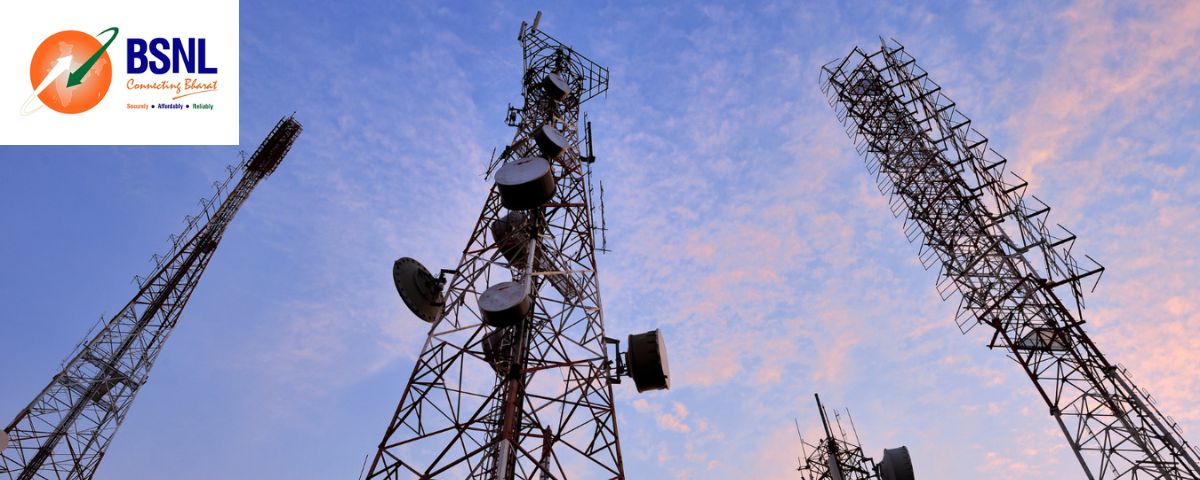
Bharat Sanchar Nigam Limited (BSNL) is on a mission to bolster its network infrastructure and improve connectivity across India. The state-run telecom giant has successfully installed over 94,500 4G towers, a substantial achievement given its strategic importance in bridging the digital divide. Union Telecom Minister Jyotiraditya Scindia confirmed that a significant portion of these towers, over 80-85%, are now operational, contributing to enhanced mobile broadband services.
While BSNL aimed to achieve the 1 lakh tower milestone by June 2025, the current progress indicates a slight delay. Nevertheless, the ongoing deployment, largely powered by indigenous technology under the “Atmanirbhar Bharat” initiative, is vital for expanding high-speed internet access to underserved regions, thereby supporting the government’s digital inclusion agenda. The completion of this 4G rollout is also a precursor to BSNL’s eventual 5G services, with a seamless upgrade path envisioned for these newly installed towers.
Financial Realities: BSNL’s Turnaround and Vi’s Continued Struggles
In a significant financial turnaround, BSNL has reported profits for two consecutive quarters, with a substantial reduction in its annual losses. This positive momentum indicates the early fruits of its strategic restructuring and network upgrade efforts. However, the path ahead remains challenging. Private telecom operators are aggressively expanding their subscriber bases, often at the expense of BSNL. This intensified competition necessitates BSNL not just to deploy its network but to ensure the quality and affordability of its services.
Also Read:
BSNL Amarnath Yatra SIM at 196
The Road Ahead: Balancing Connectivity and Competition
The Indian telecom sector is at a pivotal juncture. BSNL’s 4G expansion is crucial for ensuring ubiquitous connectivity and offering affordable high-speed services, particularly in areas less prioritized by private players. While BSNL may not aim to rival the sheer robustness of private networks, its presence can ensure a baseline of decent coverage and foster competition, ultimately benefiting consumers.