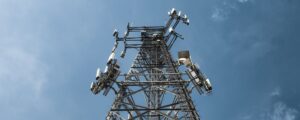
The imposition of tariffs by the United States on various goods, including telecom and electronic components, can have both direct and indirect effects on the Indian telecom sector. The telecom industry in India is highly dependent on imports of network equipment, semiconductors, and other critical telecom infrastructure. Here’s how US tariffs could influence the sector:
1. Higher Costs for Network Equipment
Many Indian telecom operators, including Reliance Jio, Bharti Airtel, and Vodafone Idea, rely on telecom gear from global suppliers such as Cisco (US), and Ericsson (Sweden). If the US imposes tariffs on telecom components, the cost of these critical supplies may rise, leading to:
- Increased capital expenditure (CapEx) for telecom companies.
- Higher costs for 5G and fiber network rollouts.
- Dependency on alternative suppliers, such as China and South Korea.
2. Impact on Semiconductor Supply Chain
The US-China trade war and semiconductor export restrictions could indirectly affect India’s telecom industry by:
- Disrupting the supply of semiconductor chips, which are essential for smartphones, telecom towers, and data centers.
- Increasing costs for mobile and network devices, affecting telecom operators and consumers.
3. Effect on Indian Telecom Equipment Exports
India has been working towards becoming a global telecom manufacturing hub under the Production Linked Incentive (PLI) scheme. However, if the US imposes tariffs on Indian telecom exports, it could:
- Reduce competitiveness of Indian telecom equipment manufacturers in the global market.
- Affect Make in India initiatives, as companies may look for alternative markets.
4. Push Towards Self-Reliance (Atmanirbhar Bharat)
Given the uncertainties in global trade policies, Indian telecom operators may:
- Increase local sourcing of telecom gear and semiconductor components.
- Strengthen partnerships with domestic telecom manufacturers, such as Tejas Networks.
- Invest in indigenous 5G and Open RAN technologies to reduce dependency on foreign suppliers.
Also Read:
About Sanchar Saathi App
Conclusion
While US tariffs may increase costs and supply chain challenges for the Indian telecom sector, they could also accelerate India’s efforts to build a self-reliant telecom ecosystem. Government initiatives like the PLI scheme, 5G local manufacturing, and semiconductor mission will be critical in mitigating risks and ensuring long-term sustainability for the telecom industry.