Summary:
Indian telecom operators represented by using COAI, consisting of Vodafone Idea, Airtel, and Jio, are supporting SIM-binding era to reinforce protection for OTT systems. SIM-binding ties user gets right of entry to their cellular quantity, lowering password sharing and unauthorized logins. The Department of Telecommunications has also mandated that OTT platforms have to routinely log users out of their net or laptop periods every six hours to decrease misuse. Together, those measures aim to decorate consumer authentication, guard revenues, and create a safer virtual OTT environment in India.
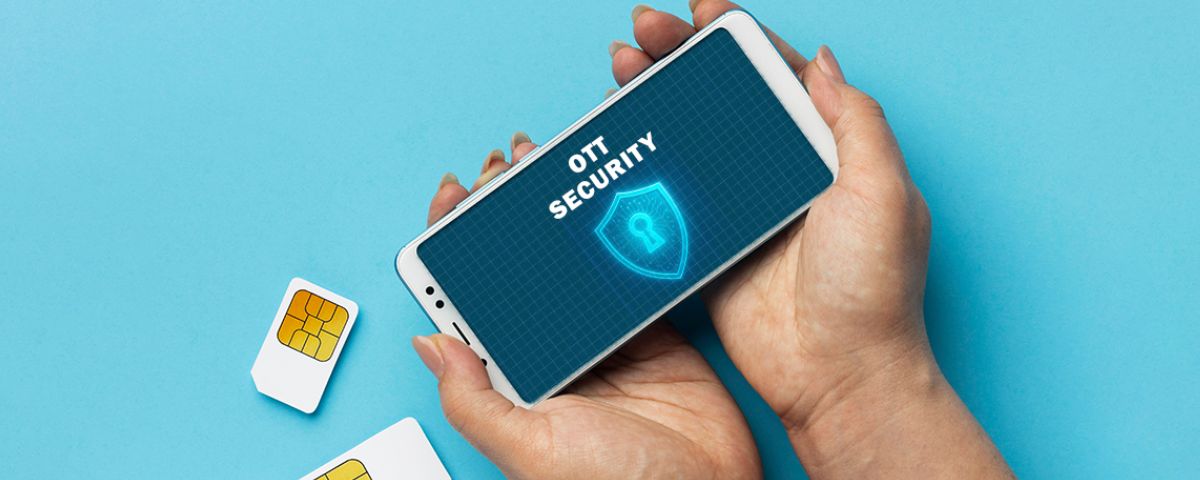
India’s main telecom operators are transferring towards a more secure digital atmosphere through supporting SIM-binding generation for OTT (Over-The-Top) packages. SIM-binding permits an app to affirm user identity via the SIM card inserted inside the device, drastically decreasing password sharing, unauthorized entry to, and account misuse. This growing shift is being sponsored with the aid of the Cellular Operators Association of India (COAI), which represents fundamental telecom agencies consisting of Vodafone Idea (Vi), Bharti Airtel, and Reliance Jio.
For OTT systems, mainly video streaming, enjoyment, and communique apps, account security and sales safety have emerged as critical demanding situations. Users often share passwords across a couple of gadgets, leading to excessive subscription leakage and unpredictable utilization patterns. SIM-binding gives a strong authentication layer that ties a user account directly to a cell range, making sure that the best legitimate subscribers benefit gets right of entry to.
In addition to the industry guide, regulatory bodies are also stepping in. The Department of Telecommunications (DoT) has issued hints urging OTT platforms to decorate safety protocols. One key requirement is that OTT-based totally services should mechanically log users out of their web or desktop sessions every six hours. This measure is aimed toward reducing prolonged unauthorized get right of entry to, preventing credential sharing, and enhancing average digital hygiene.
With telcos backing SIM-linked authentication and government pushing for stricter consultation management, India is moving closer to a greater controlled and steady OTT environment. For structures, this transition guarantees decreased revenue loss, better user verification, and advanced service pleasant. For customers, it guarantees greater safety of private statistics and decreases the hazard of account misuse. Overall, SIM-binding paired with regulatory safeguards marks a main step in strengthening digital security throughout India’s hastily growing OTT environment